

Steps to Launch Your Asset on Cicada
1.1 RYA/RWA Certification
Assets must deliver real, sustainable returns, passing Cicada's 3S standard: Secure, Scalable, Sustainable. Sources include tokenized U.S. Treasuries, credit RWA, DeFi yield, or CeFi strategies. Returns must be verifiable onchain or by audits.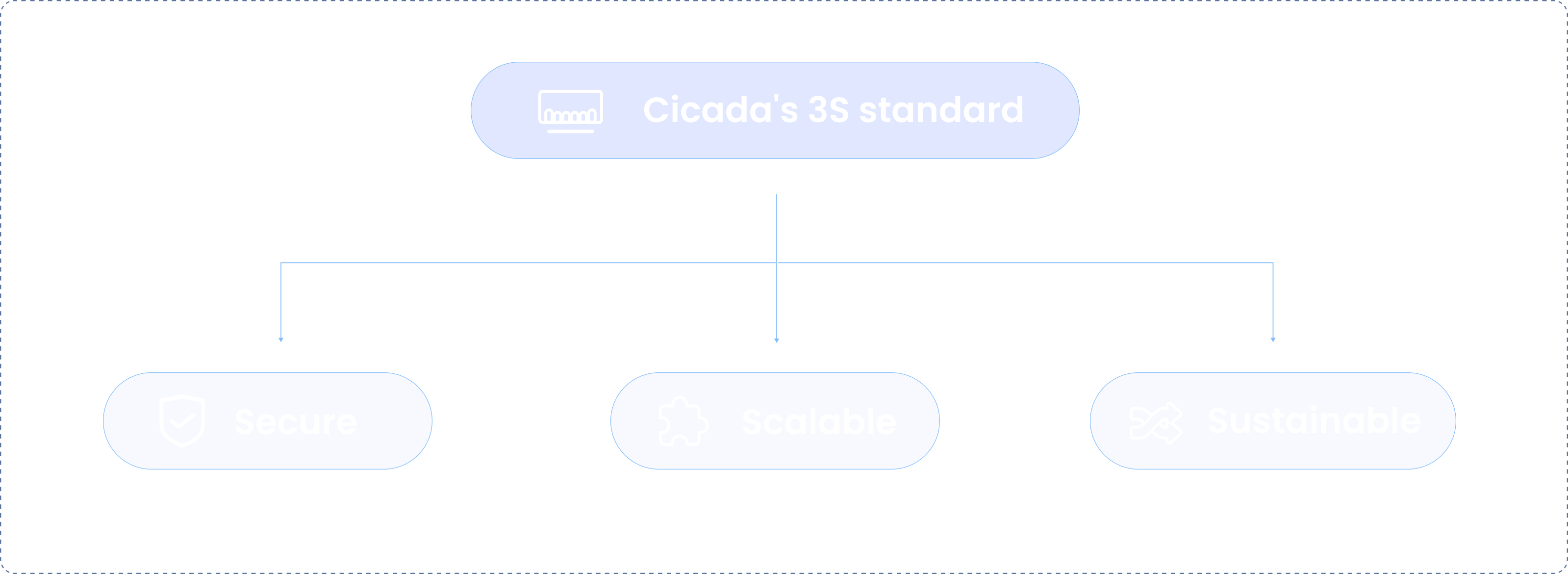
1.2 Oracle-Based Fair Valuation
Valuation must follow Cicada’s pricing frameworks:- Onchain oracles for quantifiable assets
- Off-chain appraisal for non-standard asset

1.3 Standardized Tokenization via Protocol
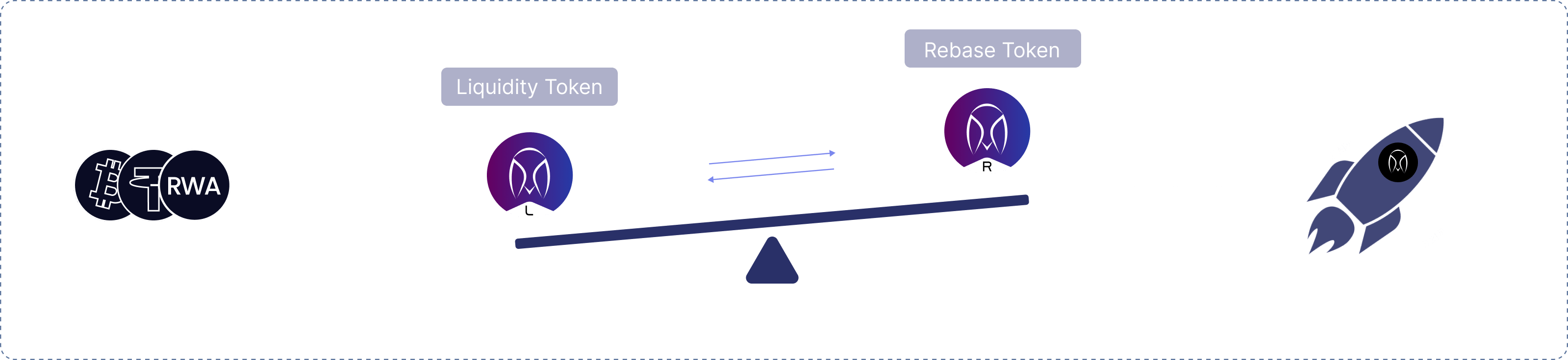
The assets need to undergo structural transformation through Cicada's PAM framework and LT-RT mechanism, and form standard asset products (DA or CA).- The contract deployment and configuration are provided by Cicada technical support
- The token structure must comply with Cicada's two-tier asset design and distribution standards
1.4 Liquidity Provision
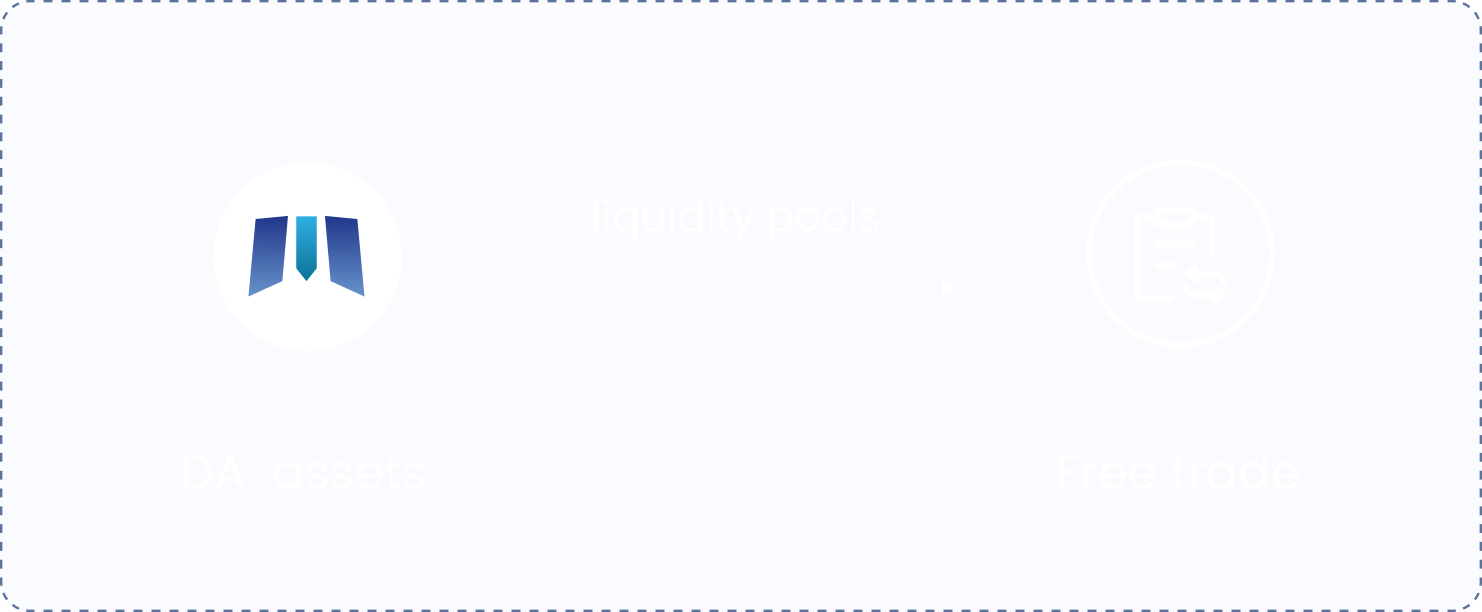
Assets on the chain must have the ability to access liquidity to ensure a good trading/redemption experience after being tokenized.- DA class assets need to support free trading through liquidity pools such as AMM (LT liquidity)
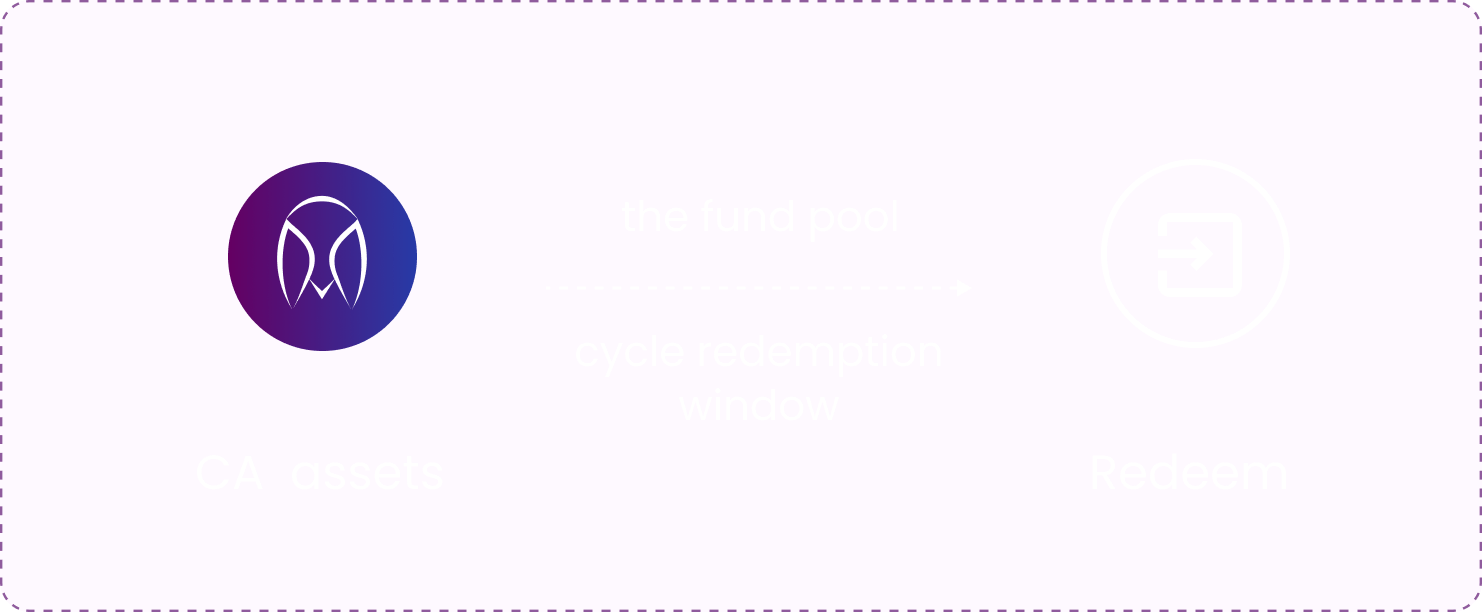
- The redemption mechanism for CA-type assets is realized through the setting of the fund pool/cycle redemption window
- Cicada will assist in providing initial liquidity allocation suggestions and support the integration of the liquidity incentive module
1.5 Derivative Compatibility
Assets with strong composability are prioritized (e.g., lending, options, vaults).Integration boosts lifecycle and ROI potential.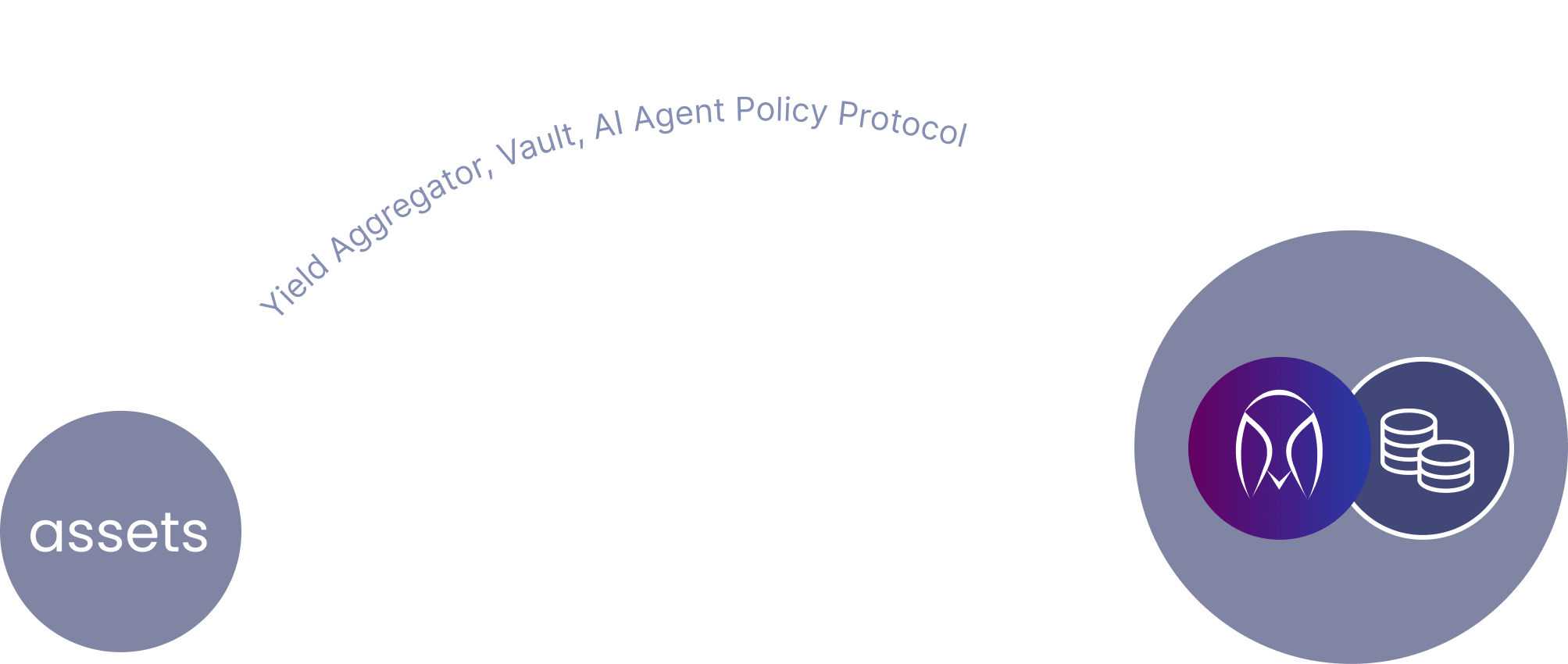 LT-RT rebalancing mechanism:
- ●LT (Liquidity Token) : Represents the right to liquidity and is tradable
- ●RT (Rebase Token) : Represents the right to income and automatically obtains the real income
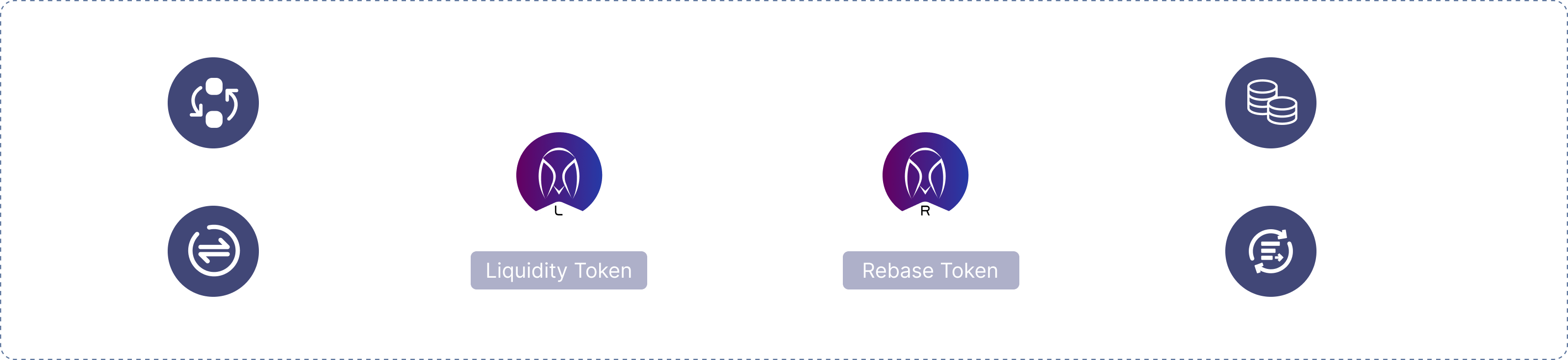
Key Features:
 High freedom : Switch liquidity/income rights at any time
 Dynamic game structure : It can form market price signals
 Automated revenue distribution : Rebase mechanism contracts are automatically executed
 Composability : Projects without interest-bearing capacity can empower the value of their token economic system by relying on the DA assets they hold as the underlying support
DA Tokenization Framework
2.1 DA Asset Model
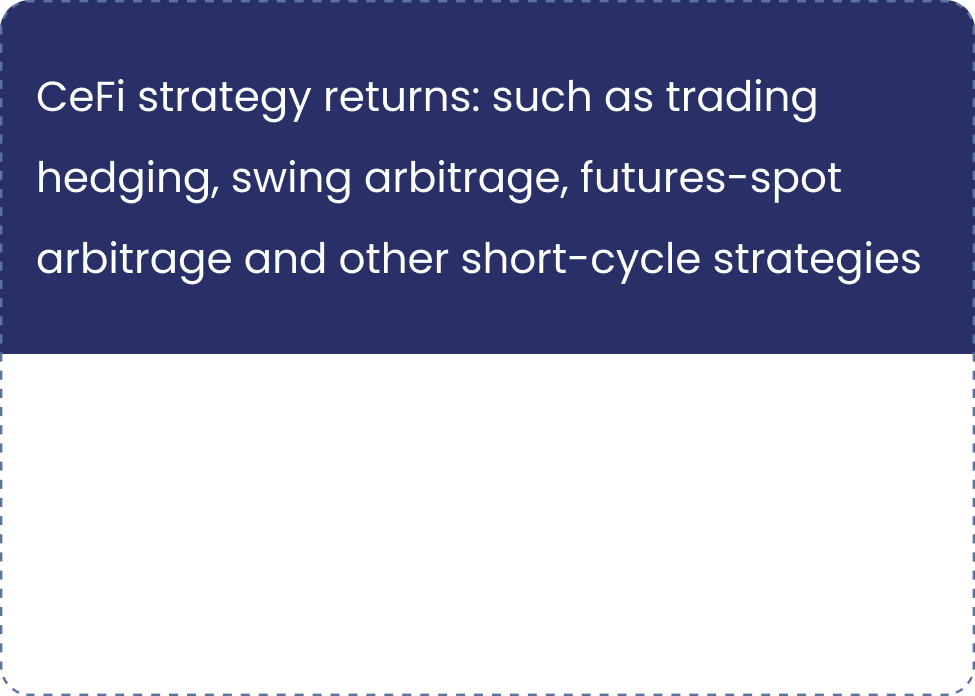
DA assets are created using the LT-RT rebalancing mechanism and are suitable for real assets with high-frequency trading attributes and strong liquidity demands. LT-RT rebalancing mechanism:- LT (Liquidity Token) : Represents the right to liquidity and is tradable
- RT (Rebase Token) : Represents the right to income and automatically obtains the real income
Features:
- ● High freedom: Switch liquidity/income rights at any time
- ● Dynamic game structure: It can form market price signals
- ● Automated revenue distribution: Rebase mechanism contracts are automatically executed
- ● Composability: Projects without interest-bearing capacity can empower the value of their token economic system by relying on the DA assets they hold as the underlying support
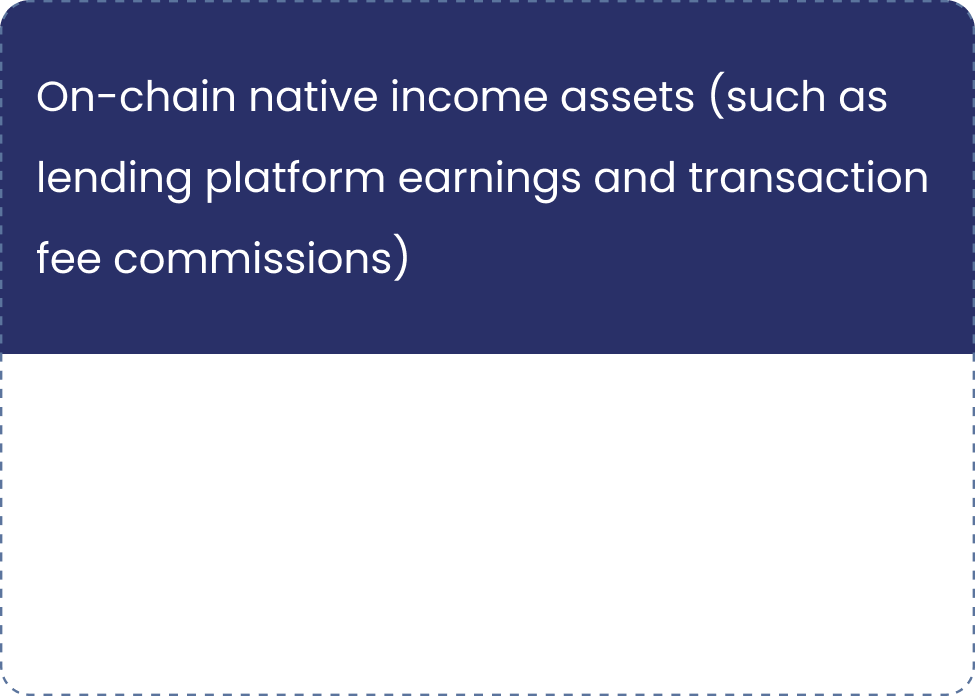
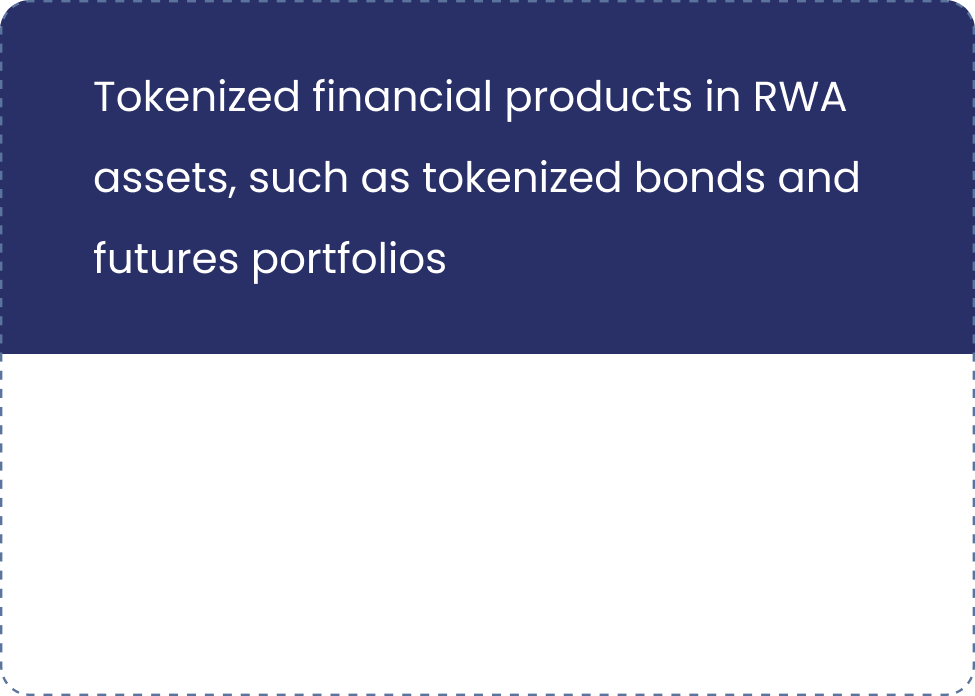
2.2 Applicable Asset Types
2.3 Tokenization Structure Design
- ●LT Token (Liquidity Token) : Represents the liquidity share of an asset, which can be traded and enter the liquidity pool
- ●RT Token (Rebase Token) : It represents the income certificate and is automatically distributed every day to obtain the real income
The Rebase process is automatically executed by the protocol and does not rely on a centralized institution
Objective:
Maximize the marketization efficiency of assets and provide ready-to-use combined real return tokens.

CA Tokenization Framework
3.1 CA Asset Model
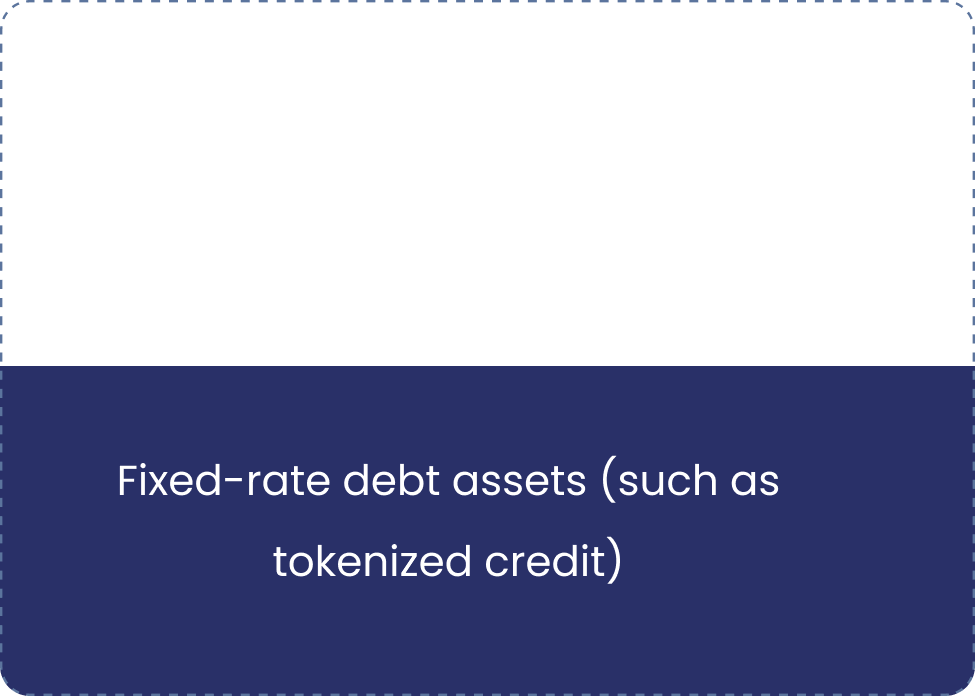
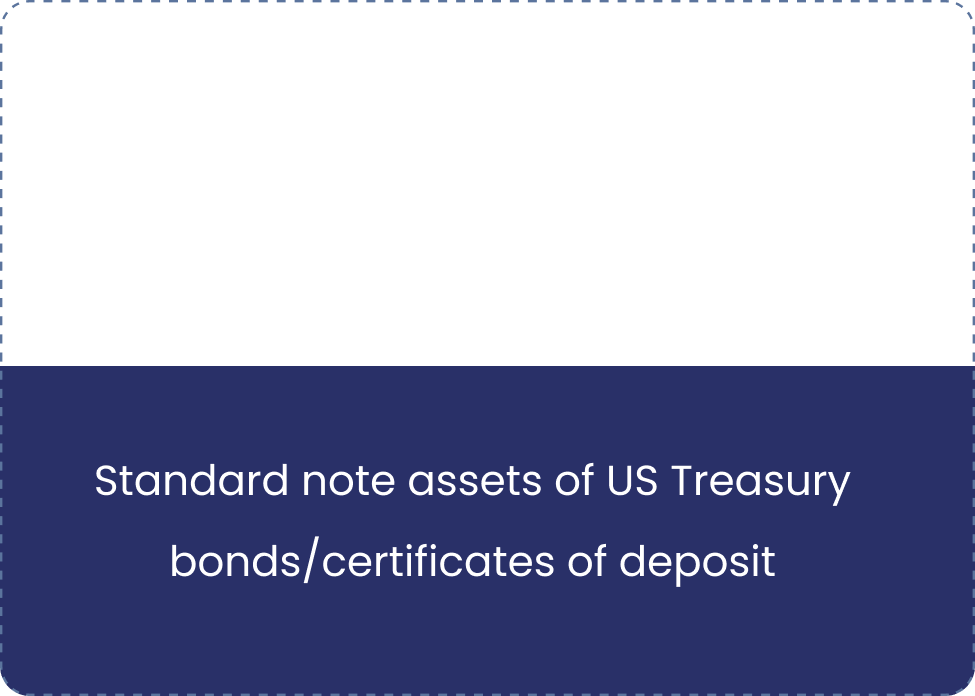
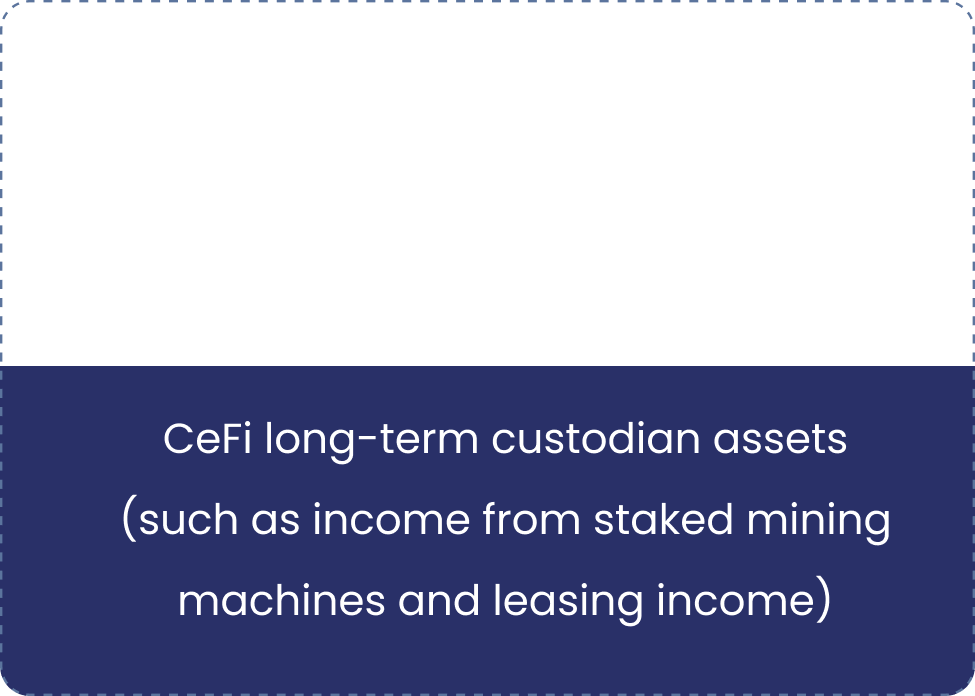
CA assets are onchain assets managed by institutions and driven by real returns. Their returns come from the stable interest-bearing ability of the underlying assets rather than token competition or market speculation. It is applicable to assets with low volatility, clear maturity structure and predictable returns.The income certificates in CA assets represent the due income of users and can be redeemed at fair prices at any time, featuring high stability and certainty.
Features:
- Stability: The source of income is clear and not market speculation
- Security: The assets have been verified and entrusted by institutions
- Redeemable: Income certificates circulate at predictable prices
- Applicable group: Suitable for low-risk and stable investors
- Model Analogy: More like a "Digital Currency Fund" in the crypto world
3.2 Applicable Asset Types
3.3 Tokenization Structure Design
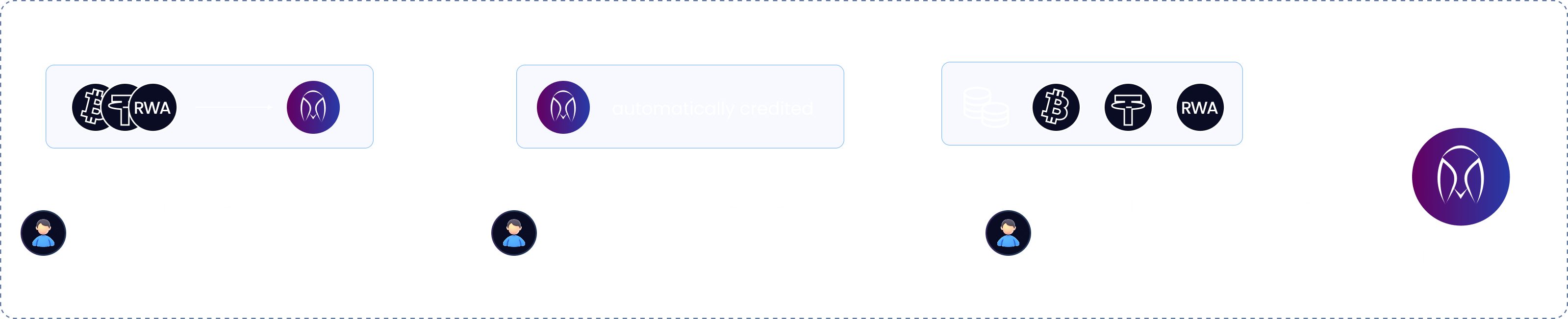
- Users generate CI-Tokens (interest-bearing certificates) by subscribing to USDC/USDT, etc. through the Subscribe function.
- The daily Rebase of earnings is automatically credited to the CI-Token, and users do not need to operate during the holding period
- After maturity, users can initiate redemption through "Redeem", and upon completion, Claim to receive the principal and earnings
- CI tokens can not only serve as acceptance certificates for returns but also have sufficient liquidity, meeting the expectations of compliant asset management
Objective:
Create a stable asset structure similar to an "onchain money fund", targeting institutional and prudent investment users.
Create a stable asset structure similar to an "onchain money fund", targeting institutional and prudent investment users.
1Steps to Launch Your Asset on Cicada
2DA Tokenization Framework
3CA Tokenization Framework